

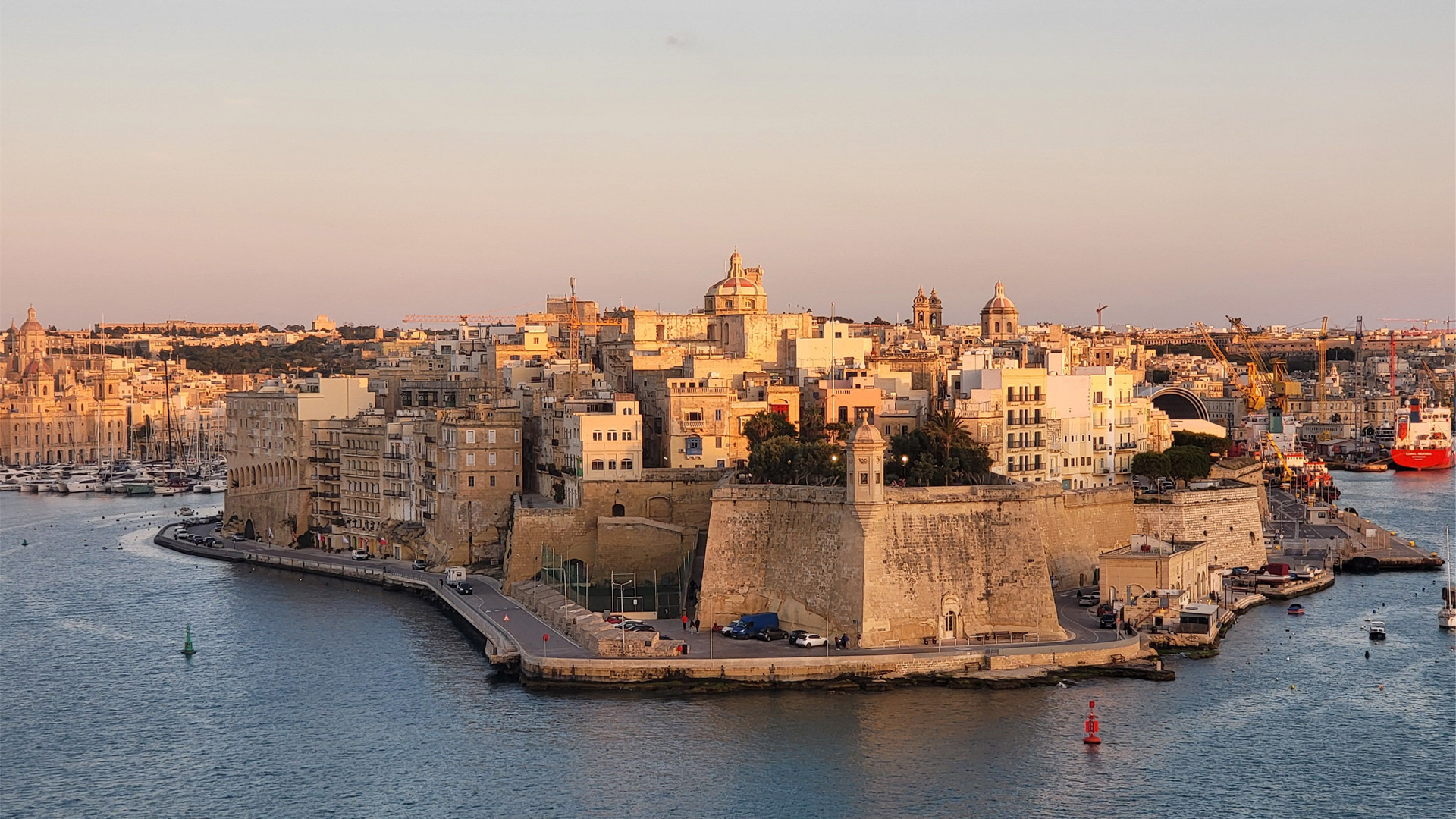

Malta is a destination that captivates visitors not only with its crystal-clear waters and breathtaking landscapes, but also with its rich history, vibrant culture, and multicultural character. From ancient monuments and historic cities to unique traditions, Mediterranean culture, and the warm hospitality of its people, this small island nation offers an experience filled with remarkable sights, stories, and authentic moments.
In this exclusive interview with GRDiscovery, Yasmine Conti Scorfna of the Malta Tourism Authority speaks about Malta’s allure, the dynamics of its tourism sector, the island’s contemporary image, and the reasons that make Malta a truly distinctive destination in the heart of the Mediterranean.
The Soul of Malta
1) For readers who may be discovering Malta for the first time, how would you describe the essence and character of the Maltese Islands?
The Maltese Islands have a remarkably rich identity. Historic yet vibrant, compact yet layered, Mediterranean yet uniquely Maltese – this contrast exists in seamless balance. Often described as an open-air museum, Malta is much more than that. Prehistoric temples, baroque cities and fortified harbours sit alongside contemporary life and traditional customs, giving Malta a character that is truly authentic.
The Foundations of Malta
2) Malta is known for its rich history and strategic position in the Mediterranean. Which historical periods do you believe have shaped Malta’s identity the most?
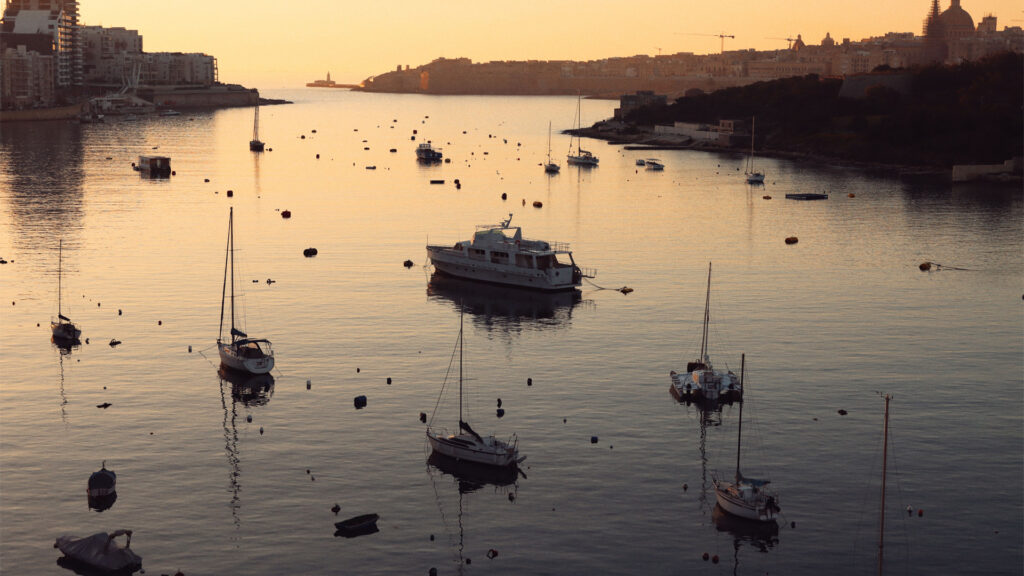
Malta’s identity has been shaped by the many civilisations that have passed through and left their mark on the islands. The prehistoric era gave Malta some of the world’s oldest free-standing temples, highlighting its early cultural and spiritual significance. Later, the Phoenicians and Romans strengthened Malta’s role as a strategic maritime hub. A defining chapter came with the Knights of St John, whose arrival transformed the islands through the construction of Valletta and a rich baroque legacy. The British period influenced modern governance, infrastructure and language, contributing to Malta’s bilingual character today. Together, these periods have built the distinctive identity that defines Malta today.
In Malta There are…
🏛️Some of the oldest free-standing stone temples in the world, dating back more than 5,500 years.
The Timeless Charm of Valletta
3) Valletta is one of Europe’s most remarkable historic capitals. What makes it unique among Mediterranean cities?
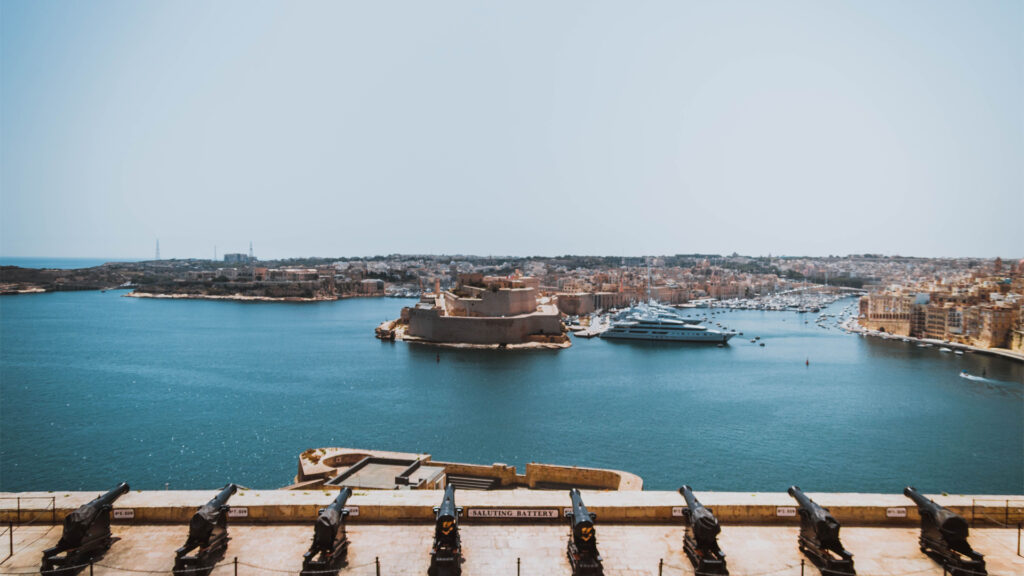
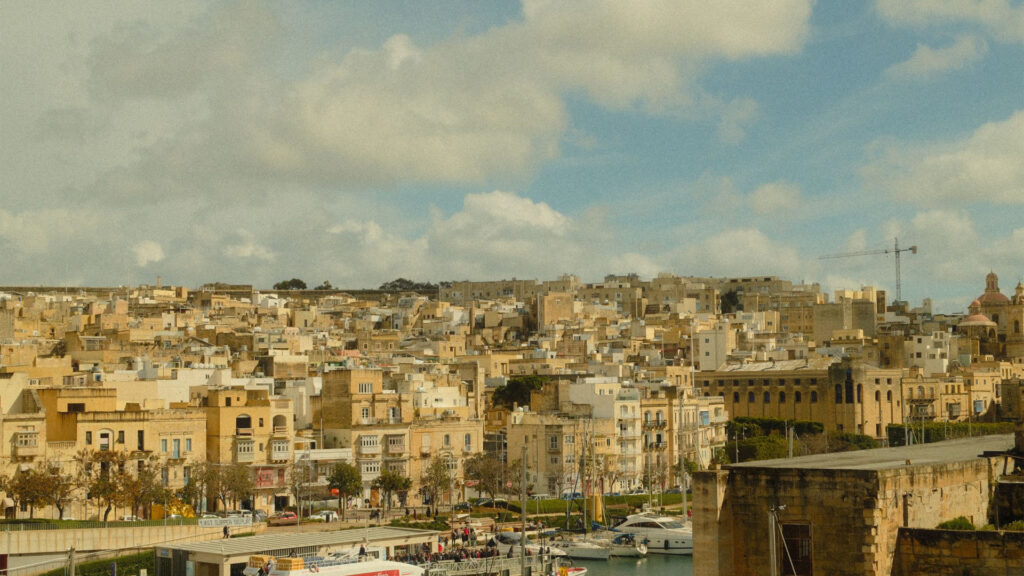
Built by the Knights of St. John following the Great Siege of 1565, Valletta is a masterpiece of Baroque urban design. Recognised as a UNESCO World Heritage Site, it stands out for its impressive concentration of historic heritage, from imposing fortifications and grand palaces to ornate churches and architectural treasures. Its spectacular setting overlooking the Grand Harbour creates one of the Mediterranean’s most iconic cityscapes and one of Europe’s most striking entrances. At the same time, Valletta remains a vibrant capital, where year-round events, artistic projects and a flourishing gastronomic scene keep the city alive.
Beyond the Beaten Path
4) Beyond the well-known attractions, which lesser-known regions, towns, or experiences would you recommend to travelers seeking a more authentic side of Malta?
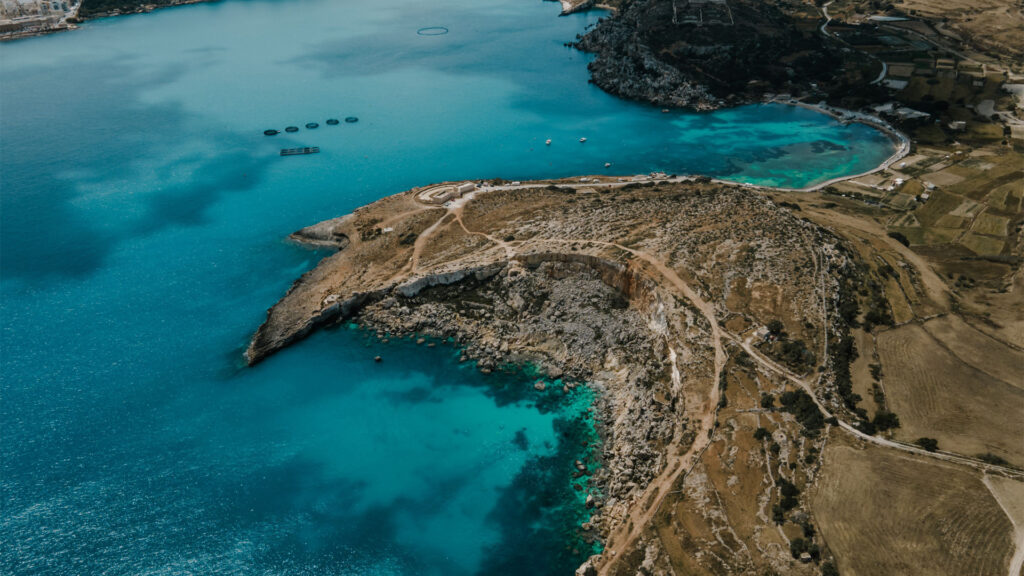
When most people think of Malta, they often picture the Grand Harbour or the streets of Mdina. But beyond these well-known landmarks lies another side of the islands: the quaint villages.
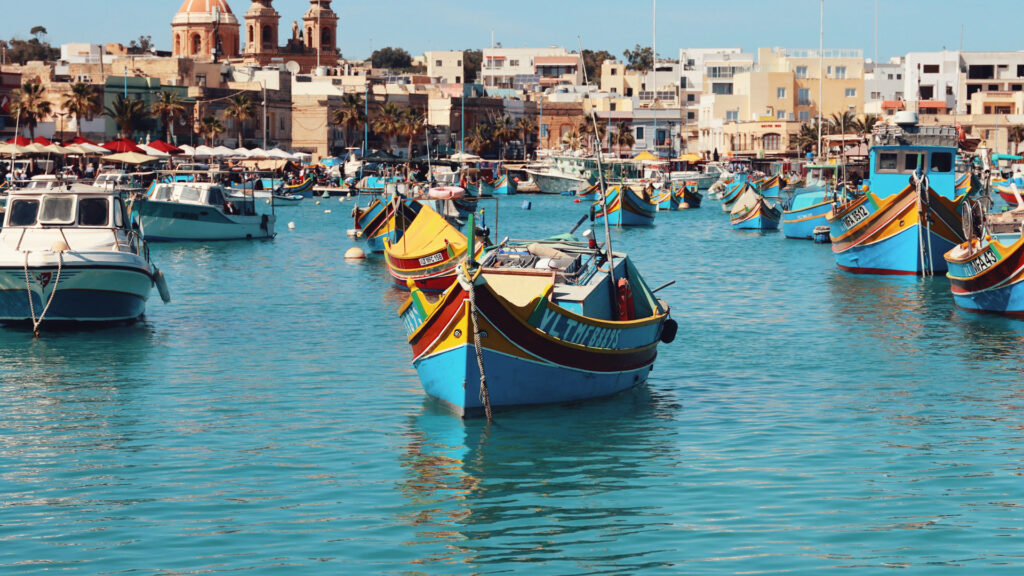
Marsaxlokk offers a glimpse into Malta’s fishing heritage, with colourful luzzu boats lining the harbour and fishermen going about their daily work. It is also one of the best places to enjoy fresh seafood. The village of Mqabba retains its rural charm, where visitors can stroll through quiet streets, meet locals in village squares and, in June or August, experience traditional Maltese festa culture. In Mdina’s neighbouring town of Rabat, visitors can sample the much-loved pastizzi, discover sites such as St. Paul’s Catacombs and browse artisan shops along its narrow streets. In Gozo, the village of Gharb reflects a slower pace of life, with agricultural landscapes, local crafts, outdoor activities and the pilgrimage site of Ta’ Pinu Basilica.
These villages – and many others across the islands – offer travellers the chance to escape the crowds, uncover local traditions and experience authentic Maltese culture.
Did You Know?
Valletta is one of Europe’s smallest capitals?
It contains more than 300 historic monuments within its compact streets.
Preserving Malta’s Heritage
5) How does Malta balance the preservation of its cultural heritage with the demands of modern tourism?
It’s a careful balance. Key heritage sites are safeguarded through strict visitor management systems. For example, Ħal Saflieni Hypogeum, a UNESCO World Heritage Site, limits daily visitor numbers to protect its fragile underground environment. Similarly, visitor caps at Blue Lagoon in Comino, help reduce environmental pressure and improve the visitor experience. Additionally, continuous investment is channelled into the restoration and upkeep of historic sites, fortifications and cultural landmarks, ensuring they remain accessible and protected for locals, visitors and future generations.
This is supported by a wider marketing strategy that encourages year-round travel and promotes a wide range of niche segments, including gastronomy, faith, diving, wellness, film and sports. Malta is also marketed across different global regions, recognising that different markets have different interests and motivations. This combined approach helps distribute visitor flows more evenly across the islands, both geographically and seasonally, easing pressure on certain sites while enhancing the visitor experience.
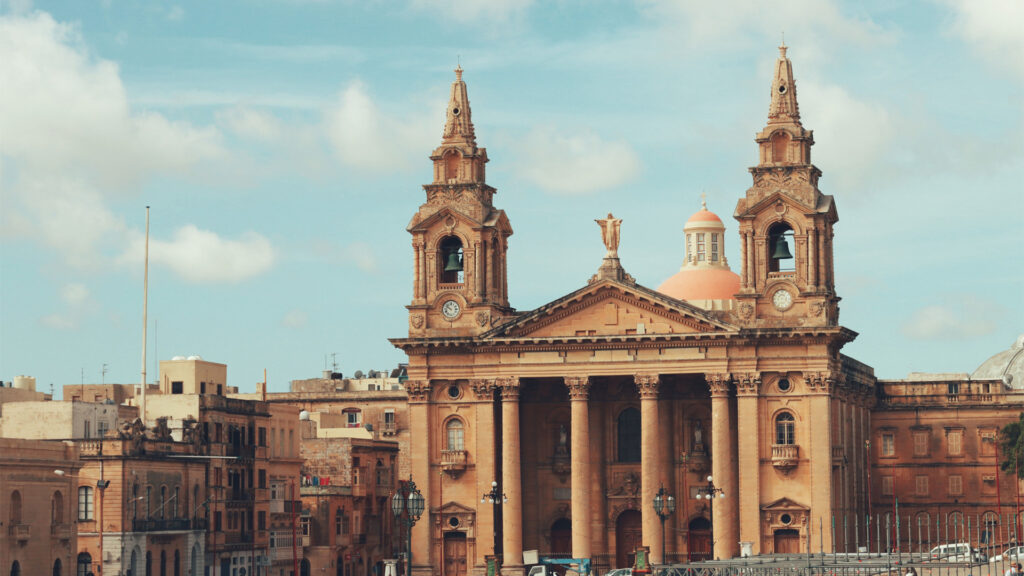
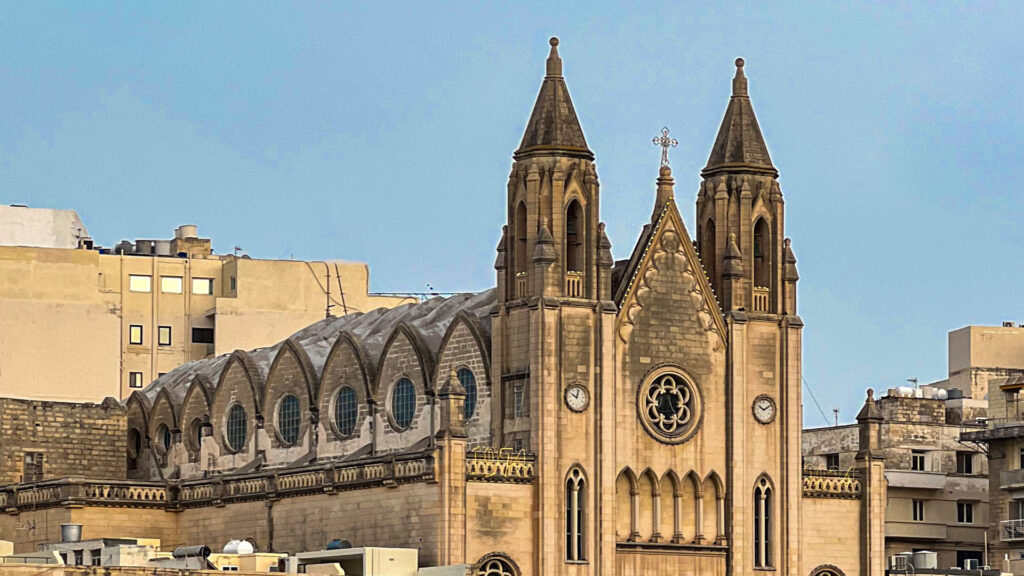
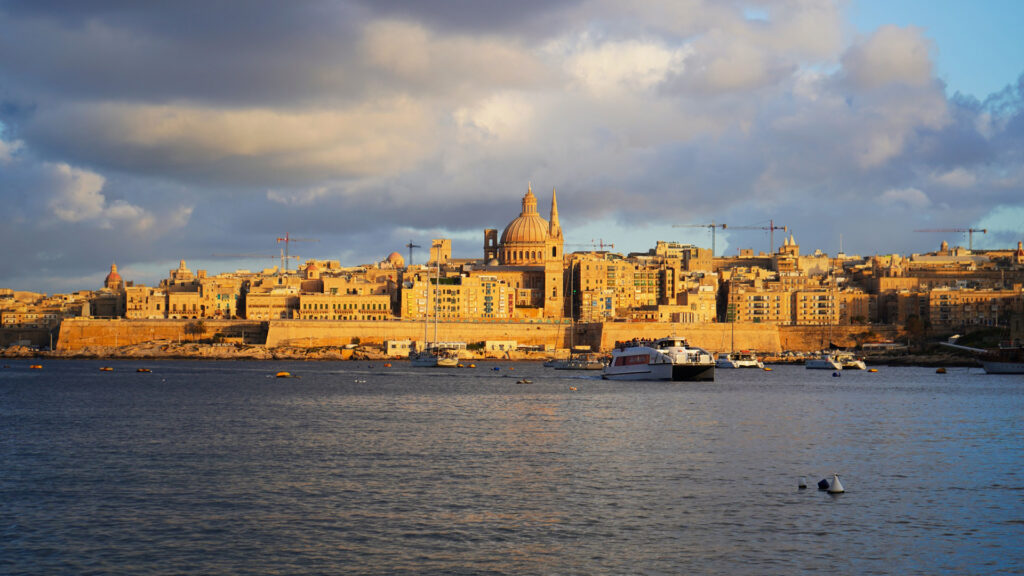
St. Paul’s Pro-Cathedral
Dominating Valletta’s skyline with its iconic dome, the Basilica of Our Lady of Mount Carmel is one of Malta’s most recognizable landmarks. Built in a striking Neoclassical style, the church is dedicated to Our Lady of Mount Carmel and stands as a symbol of the island’s rich religious and architectural heritage. Overlooking the magnificent Grand Harbour, the basilica offers breathtaking views and has become one of Valletta’s most photographed attractions. Today, it continues to welcome both worshippers and visitors eager to discover Malta’s history, culture, and timeless architectural beauty.
In Malta There are…
☀️Οver 300 days of sunshine each year, making it one of Europe’s sunniest destinations.
A Sustainable Future for Malta
6) Sustainability has become increasingly important in travel. What initiatives is Malta currently undertaking to promote responsible and sustainable tourism?
Sustainability is at the heart of Malta’s tourism strategy. A key focus is reducing seasonality by promoting Malta as a year-round destination and maintaining strong air connectivity throughout the year. This helps distribute visitor flows more evenly and supports local businesses beyond the peak summer months.
This approach is also reinforced by Malta’s long-term national strategy, Malta Vision 2050, which promotes a quality-driven tourism model focused on long-term sustainability and resilience, rather than visitor volume alone. It aims to attract visitors who stay longer, spend more and seek higher-quality experiences.
Malta is also placing greater emphasis on authentic, community-based experiences, such as meeting beekeepers, visiting traditional salt pans or exploring villages with local guides. This ensures that tourism directly benefits local economies and supports small businesses.
Environmental responsibility is also an important priority. Ongoing efforts include protecting cultural and natural heritage sites, supporting marine conservation initiatives, investing in greener transport solutions, and encouraging accommodation providers and tourism operators to adopt more sustainable practices through schemes such as eco-certification.
The Flavours and Traditions of Malta
7) What role do local traditions, festivals, gastronomy, and community life play in the visitor experience?
Throughout the year, visitors have the opportunity to experience traditional village feasts, religious celebrations, cultural festivals and artistic events that offer a genuine insight into local customs and ways of life. These experiences allow travellers to connect with the people of Malta and discover the authentic character of our islands.
Gastronomy is equally important to the visitor experience. Maltese cuisine reflects the islands’ rich history and the different cultures that have influenced Malta over the centuries. Visitors are increasingly seeking authentic food experiences, from farm-to-table dining and wine tastings to Michelin-starred restaurants and traditional delicacies. These experiences provide a genuine taste of Malta while supporting local producers and preserving our culinary traditions.
Ultimately, it is this combination of culture, gastronomy and the hospitality of the Maltese people that creates a truly memorable experience for visitors.
In Malta There are…
🗨️Τwo official languages—English and Maltese—making communication easy for international travellers.
Malta’s Timeless Heritage
8) For travelers interested in archaeology, religion, and cultural heritage, what are some of the most significant sites that should not be missed?
We are fortunate to have a wealth of archaeological, religious, and cultural heritage sites that cater to these interests, offering visitors the opportunity to explore at least 8,500 years of history within a remarkably compact area.
For those interested in archaeology, Malta’s UNESCO World Heritage-listed Megalithic Temples are a must. Sites such as Ħaġar Qim, Mnajdra and the Ġgantija are among the oldest free-standing stone structures in the world, providing a fascinating insight into Malta’s prehistoric communities. Ħal Saflieni Hypogeum, another UNESCO World Heritage site, is a unique underground prehistoric complex that offers a glimpse into ancient burial practices.
Malta’s religious heritage reflects the long-standing faith and traditions of the Maltese people. Visitors should not miss St John’s Co-Cathedral in Valletta, renowned for its Baroque architecture and masterpieces by Caravaggio. In Gozo, Ta’ Pinu National Shrine is a particularly important pilgrimage site, combining spiritual significance with striking architecture. Beyond churches, visitors can also discover Malta’s religious heritage through experiences such as the Camino di Malta, a network of pilgrimage routes that allows travellers to explore the islands’ landscapes, villages, and sacred sites in a more immersive way.
Did You Know?
The Maltese Islands enjoy over 300 days of sunshine each year?
Making them one of Europe’s sunniest destinations.
In Malta There is…
🌍A rich culinary tradition that blends Mediterranean flavours with influences from Italy, North Africa and Britain.
The Rise of Experiential Travel
9) How has visitor interest evolved in recent years, and what types of experiences are travelers increasingly seeking in Malta?
Visitors are increasingly seeking more authentic and personalised experiences, rather than simply visiting the destination’s main attractions. While Malta’s rich history, year-round sunshine and Mediterranean lifestyle remain key motivators, travellers are now looking to engage more deeply with the destination through its people and traditions.
Malta and Gozo have moved towards experiential tourism. Specialised experiences such as private cooking sessions, traditional craft workshops including glassblowing and filigree-making, local olive oil tastings, farm visits and encounters with local artisans are increasingly sought-after. This goes hand in hand with the growing demand for more sustainable forms of travel, as visitors look to discover the stories behind Malta’s traditions and heritage, while supporting local communities.
Wellness tourism is also gaining momentum, with visitors seeking experiences that combine relaxation, mindfulness and wellbeing. Our Mediterranean climate, diverse landscapes and coastal surroundings provide an ideal backdrop for these experiences. Imagine a yoga retreat in Gozo, starting with a meditation session overlooking Xwejni Salt Pans, followed by a field-to-fork lunch, an Ayurveda treatment, and ending the day with a sunset walk along the cliffs.
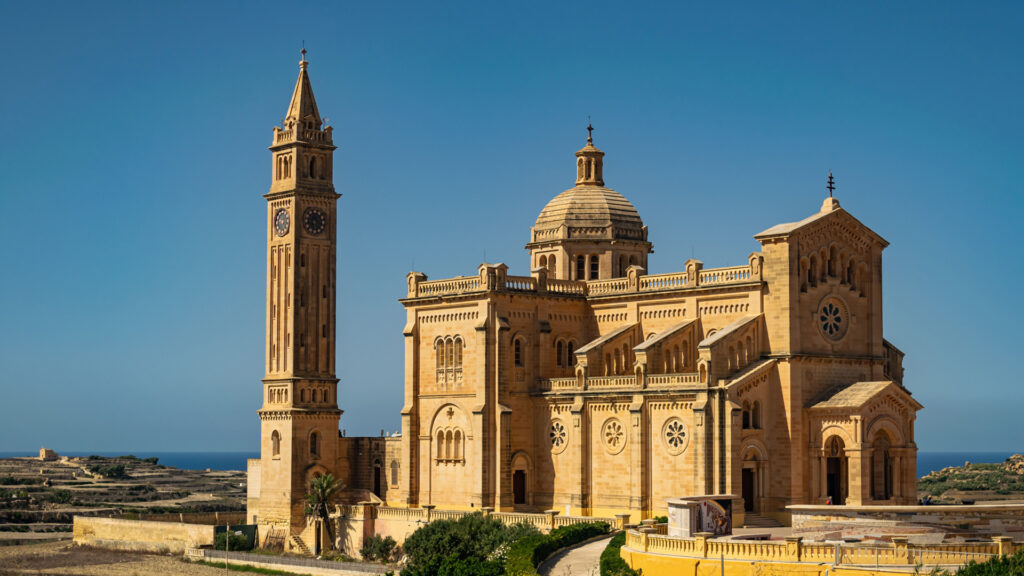
Ta’ Pinu National Shrine, Gozo
Standing proudly in the peaceful countryside of Gozo, the Ta’ Pinu National Shrine is one of Malta’s most important religious landmarks and pilgrimage destinations. Built in Neo-Romanesque style between 1920 and 1931, the basilica is renowned for its stunning architecture, serene atmosphere and remarkable location overlooking Gozo’s rolling hills. Welcoming pilgrims and visitors from around the world, Ta’ Pinu is a symbol of faith, history and spiritual devotion, offering breathtaking views and a unique sense of tranquility that captures the timeless beauty of the Maltese Islands.
Shaping the Future of Maltese Tourism
10) What are the main priorities and objectives of the Malta Tourism Authority for the coming years?
The Malta Tourism Authority’s priorities for the coming years are focused on building a tourism model that is sustainable, resilient and centred on quality, creating long-term value for visitors, local communities and the Maltese economy.
A key objective is to further strengthen Malta and Gozo as a year-round destination by reducing seasonality and encouraging visitors to discover the islands through a wider range of experiences.
At the same time, we are committed to enhancing the overall visitor experience, from improving connectivity and infrastructure to promoting higher-quality tourism offerings that reflect the unique character of our islands.
Did You Know?
Traditional Maltese village festas feature spectacular fireworks?
Marching bands and beautifully decorated streets, attracting thousands of visitors every summer.
In Malta There is…
🥽Τhe breathtaking Blue Lagoon on Comino, famous for its crystal-clear turquoise waters and spectacular swimming spots.
The Spirit of Malta
11) If you had to recommend one unforgettable experience that captures the true spirit of Malta, what would it be and why?
This is a difficult choice, as Malta offers many unforgettable experiences. However, if I had to recommend just one, it would be attending a traditional Maltese village festa. It is truly a reflection of our identity and community spirit. Visitors can experience beautifully decorated streets, lively band marches, spectacular fireworks and the warm hospitality of the Maltese people. It is an occasion where tradition, faith, culture, and community come together. Visitors are not simply spectators; they become part of the celebration!
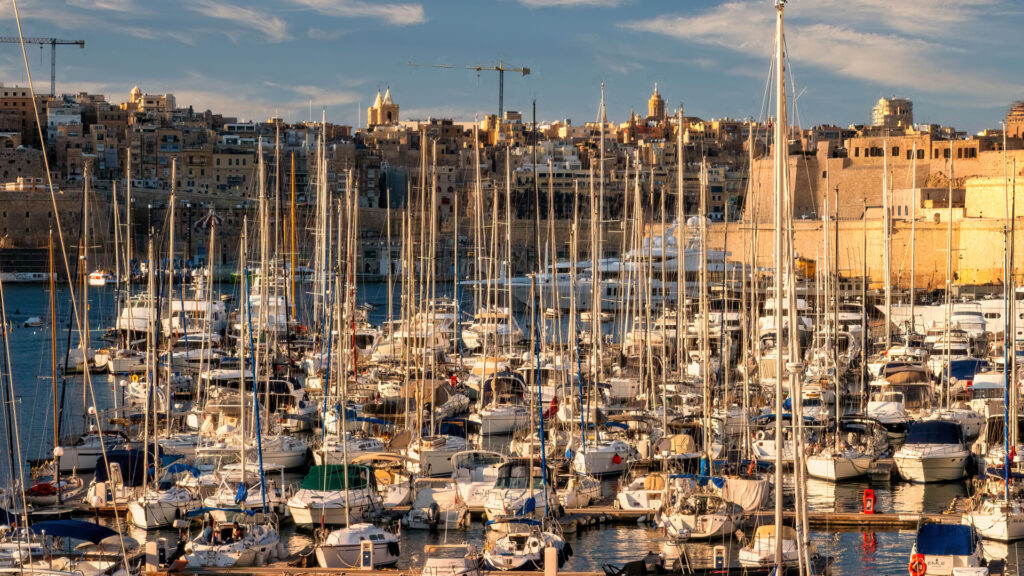
That said, sailing along our coastline and entering the magnificent Grand Harbour would be a very close second!
A Warm Invitation to Malta
12) Finally, what message would you like to share with Greek travelers considering Malta as their next destination?
With their Mediterranean character, Malta may feel familiar to Greek travellers, yet it offers a completely unique experience.
Whether you are passionate about history and culture, gastronomy, the outdoors, wellness, the sea, or authentic local experiences, you will find something that speaks to you in Malta and Gozo.
We are also very well connected with Greece through direct flights, making Malta an accessible choice for both short getaways and longer holidays.
Our aim is that visitors arrive as travellers, but leave feeling like locals, having experienced not only our islands, but also the traditions, flavours and hospitality that define Malta and Gozo.
Malta is more than just a beautiful destination in the Mediterranean. It is a place where history meets modern life, where different cultures have left their mark, and where every corner hides a unique story. From its picturesque streets and impressive historic buildings to its turquoise waters and unique traditions, Malta offers visitors an experience filled with images, colors, and unforgettable memories.
Perhaps this is also the most beautiful thing about Malta: in such a small place, one can discover so much history, beauty, and such a variety of experiences. A trip there is not simply a visit to another destination, but an experience that stays in your memory and makes you want to return.