

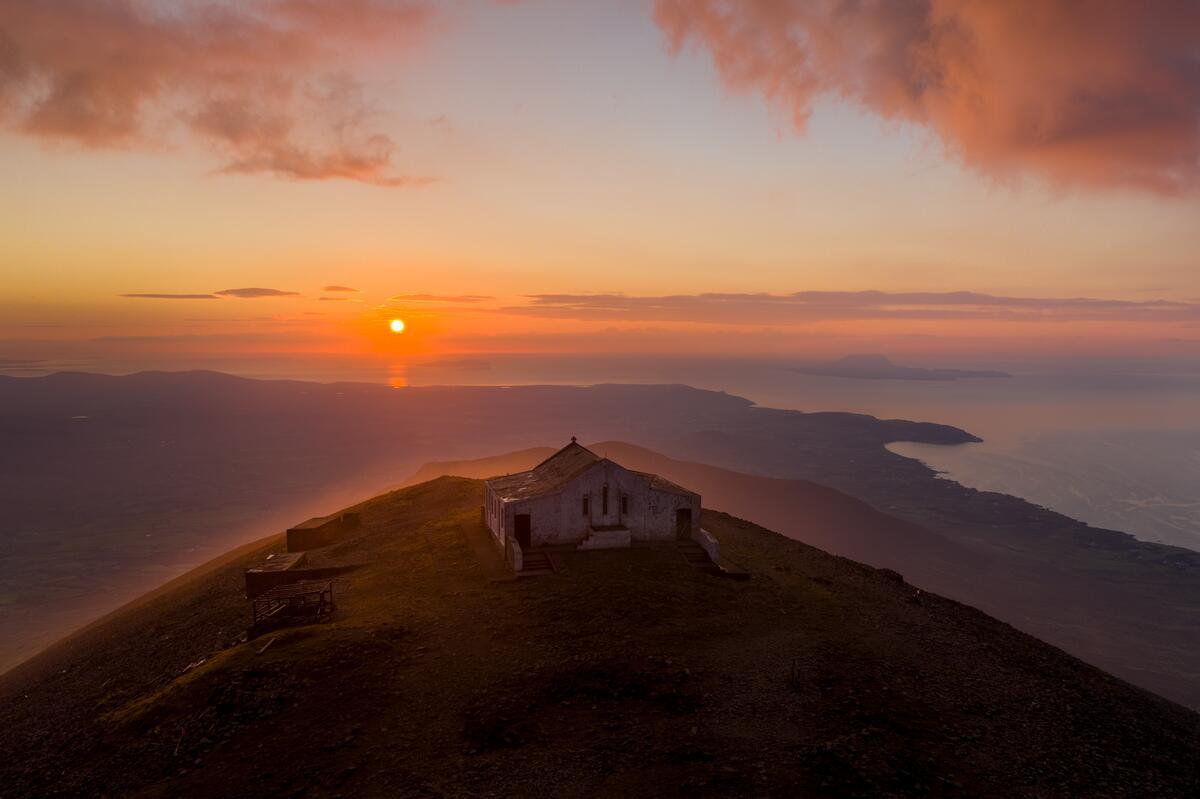
Ireland is far more than a destination of breathtaking landscapes. It is a land where ancient myths, rich cultural heritage, and timeless storytelling shape every journey. From Celtic legends and UNESCO World Heritage Sites to vibrant cities, traditional music, and warm hospitality, the Emerald Isle offers visitors an experience where history and modern life exist in perfect harmony. In this exclusive interview with GRDiscovery, Natasha Johnston, Global Partnerships Executive at Tourism Ireland, shares the vision behind Ireland’s global tourism strategy, highlighting the country’s unique cultural identity, sustainable tourism initiatives, and the authentic experiences that continue to inspire travelers from around the world.
The Soul of Ireland
- How would you describe the essence of Ireland to someone who has never visited the country before?
The island of Ireland is renowned for its incredible scenery, and the richness of the writers, musicians and creators, it has inspired. Ireland offers time and space to revel in all things cultural. In Ireland, it feels like our story is woven into every inch of the landscape. Whether you’re walking along the crumbling stonewalls in a country field, or exploring an ancient castle hidden in the depths of a forest, our sense of heritage and legacy is part of the fabric of life. Holidaymakers enjoy experiences that they can’t get anywhere else, and Ireland has these in abundance, offering a heady mix of escape, vibrant cities, adventure, quirky accommodation, and the opportunity to properly recharge.
The Power of Irish Storytelling
- Ireland is often associated with storytelling. How important is storytelling in shaping the country’s international image and tourism identity?
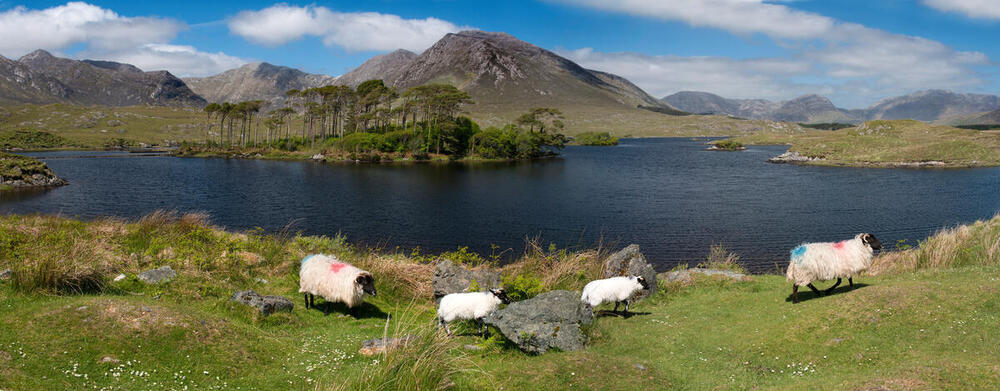
Storytelling is a central part of our identity. From playwrights to poets, songwriters to storytellers, Ireland’s literary heritage takes in four Nobel prizewinners (George Bernard Shaw, WB Yeats, Samuel Beckett and Seamus Heaney), and continues to thrive today. These writers follow a historic tradition of storytelling across the island of Ireland, which once took the form of folklore, heroic tales and myths passed down by people known as seanchaí. In recent years, Ireland’s stories have been celebrated and told on the big screen. We also continue to honour our storytellers such as through Bloomsday celebrations and the Storymakers of Europe Summit where we invited travel media, journalists, and content creators to experience the stories of our culture and heritage.
In Ireland There are…
🏰 Over 30,000 castles and historical ruins
Where Myths Come to Life
- What role do Celtic heritage, mythology, and folklore play in the visitor experience today?
We have fantastic storytellers and visitor experiences that are woven across the island and bring our myths and folklore to life. At UNESCO World Heritage Site, The Giant’s Causeway, visitors can hear about the legends of giant Fionn mac Cumhail. Fionn’s countless adventures are a testament to this unusual heritage, from the time he speared a demon at the Hill of Tara to the tale of the Salmon of Knowledge, when an enchanted fish and a sucked thumb brought him eternal wisdom.
A great time for visitors to experience our heritage and folklore is Halloween – a time for thrills, chills and scaring ourselves silly. But did you know that everyone’s favourite fright-filled holiday began in Ireland? Trace Halloween right back to its origins and you’ll find yourself in the mists of pagan Ireland over 2,000 years ago – a time when the ancient festival of Samhain was celebrated in the heart of Ireland’s Ancient East to mark the beginning of winter. Today, we mark the occasion with festivals from Derry~Halloween, Bram Stoker Festival, a thrilling, horror-tinged celebration of the beloved and legendary author of Dracula, Púca Festival, a folklore-infused celebration of Ireland as the original birthplace of Halloween and more.
Ireland’s Timeless Heritage
- Ireland is home to some of Europe’s most important monastic and religious heritage sites. How do these historical treasures contribute to modern cultural tourism?
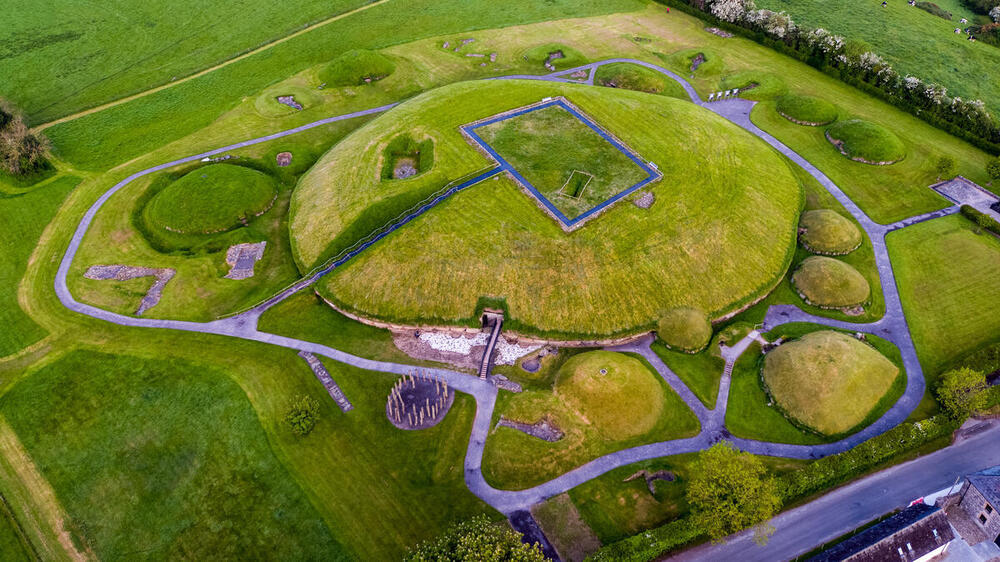
From castles, historic landmarks and monastic settlements to round towers and iconic Cathedrals, Ireland is home to spectacular sites across the island. For over 5,000 years, the UNESCO-certified Brú na Bóinne has cradled secrets borne of Neolithic ingenuity, hidden within sacred structures built of earth and stone. Brú na Bóinne’s wondrous collection of megalithic art is dotted across more than 90 monuments, but the site is best known for Newgrange – an iconic passage tomb that dates to around 3200BC, older than the pyramids of Giza! Visitors can also visit the burial site of Ireland’s patron saint, St. Patrick in County Armagh, or take a pilgrimage walk up Croagh Patrick in County Mayo. There’s so much to explore.
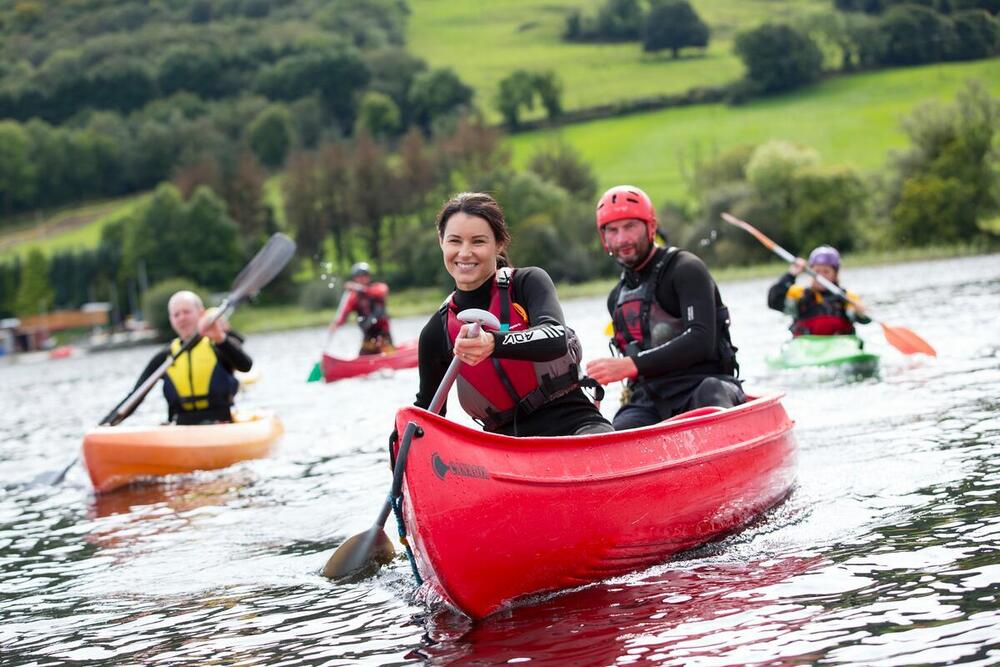
Whilst visitors can visit these majestic sites – many with accompanying interactive visitor centres and knowledgeable guides who can bring their history to life, there are also exciting ways for visitors to explore, such as at Cloughoughter Castle in County Cavan, where visitors can take a kayak tour on a glistening lake to explore a fairytale-like castle. Our partners on the ground such as the National Trust and OPW do an amazing job of preserving our historic sites and our innovative Irish industry continue to find innovative ways of telling their story such as The Book of Kells experience at Trinity College that brings the religious book to life.
Did You Know?
Was Halloween born in Ireland?
The popular holiday has its roots in the ancient Celtic festival of Samhain, which was celebrated more than 2,000 years ago to mark the end of the harvest and the beginning of winter.
The Rhythm of Ireland
- Music, literature, and poetry are deeply embedded in Irish culture. How does Tourism Ireland showcase these elements to international visitors?
The island of Ireland boasts a proud musical pedigree. We’ve had worldwide superstars like U2 and Enya, and beloved boybands like Westlife and Boyzone – but look a little closer and you’ll see Ireland’s musical footprint is embedded across the island, especially in our traditional music. This year, Belfast hosts the Fleadh Cheoil na hÉireann, the world’s largest annual festival of Irish music, for the first time ever, and it’s expected to be the biggest one ever, too. The island’s only UNESCO City of Music is primed to showcase its credentials as a Mecca for music lovers. It has also been confirmed that the Fleadh will return to Belfast in 2027 which gives holidaymakers time to plan it into their itineraries and Tourism Ireland will be sharing the joy of the Fleadh from this year across their social channels.
Music, literature, dance and poetry are woven into our experience portfolio across the island, and we continue to showcase these across our digital channels, integrate them into our itinerary recommendations and encourage our travel trade to immerse themselves at our overseas B2B events. Visitors can visit the Museum of Literature Ireland where James Joyce studies, walk in the footsteps of Oscar Wilde across Dublin, record a song at famed Windmill Lane Studios, and dance along to Celtic Nights, all in the one day!
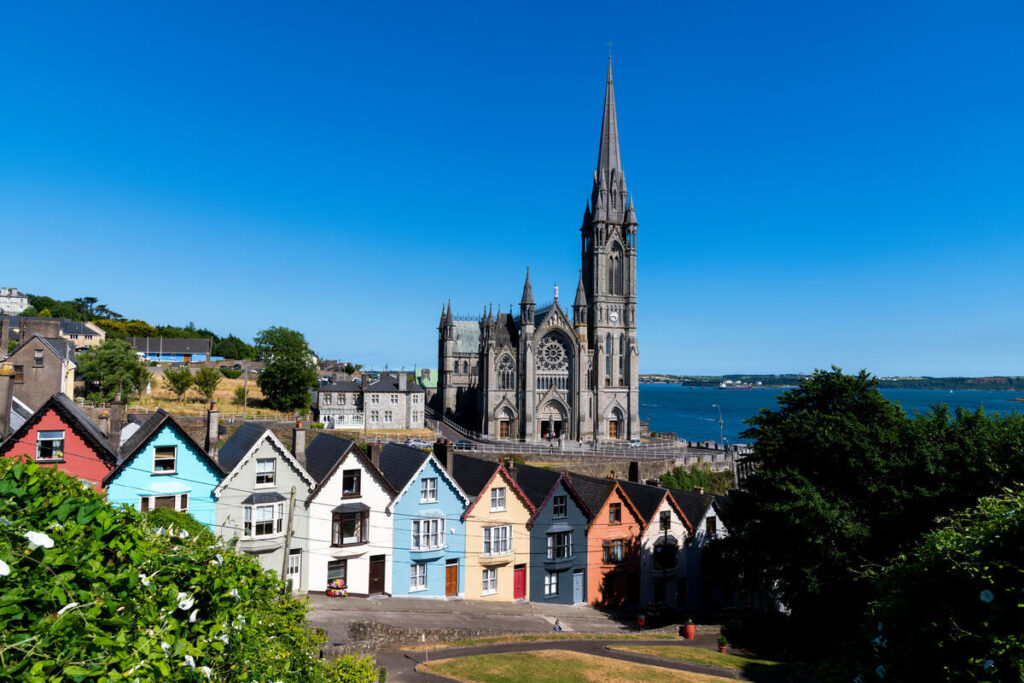
St. Colman’s Cathedral
Overlooking the scenic harbor town of Cobh, St. Colman’s Cathedral is a stunning example of Gothic Revival architecture Built in the late 19th century, its soaring spire and intricate stonework dominate the skyline, offering breathtaking views of the harbor and surrounding coastline. This iconic landmark is not only a place of worship but also a symbol of Ireland’s rich maritime history, as millions of emigrants passed through Cobh on their way to a new life.
In Ireland There are…
🗿 More than 130,000 recorded archaeological sites and monuments
The Wild Beauty of Ireland
- The Wild Atlantic Way has become one of Ireland’s most recognizable tourism initiatives. What makes this route so unique and successful?
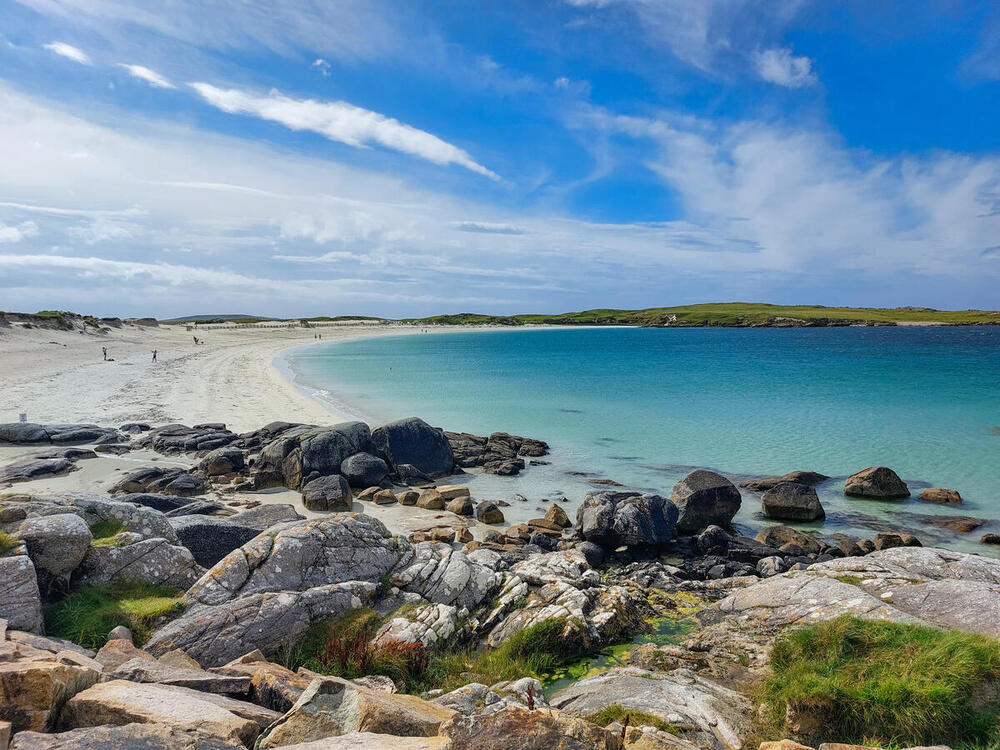
The Wild Atlantic Way is the longest defined coastal touring route in the world showcasing some of the Irish coastline’s most scenic locations. Stretching 2,500km from the windswept Malin Head in Donegal to the calm beauty of Kinsale in Cork, these unique land and seascapes, criss-crossed with drystone walls and peppered with soaring sea cliffs, deserted beaches and awe-inspiring mountains have for decades inspired poets, painters and playwrights. Officially celebrating its 10th anniversary as a brand in 2024, the Wild Atlantic Way has been a roaring success, linking together authentic experiences and cultural immersion through sound infrastructure, clear signage and experience development across the route all wrapped up in iconic branding.
Ireland on Screen
- Many visitors are interested in locations connected to films and television productions. How has screen tourism influenced Ireland’s tourism landscape?
Luke Skywalker meditating on his rocky island retreat. Dragons soaring over the Westerosi coast. John Wayne and Maureen O’Hara falling in love against a background of technicolour green fields. One place links these unforgettable images – the island of Ireland. Maybe it’s the drama of the landscapes that attracts locations scouts. But it’s not just Ireland’s natural beauty that appeals. Some of our greatest stars are the historic landmarks that have graced our screens. 13th century Trim Castle in County Meath starred in Mel Gibson’s Braveheart, while elegant mansion Castle Coole in County Fermanagh (Miss Julie with Colin Farrell and Jessica Chastain) became a living film set, showcasing a bygone age of privilege and luxury. We continue to encourage diverse screen tourism projects through our International Programming Ireland Fund. Through the success of many of Ireland’s on-screen projects, many of our industry partners have been able to integrate their sites and stories into their experiences and we have also developed many maps and touring routes to allow visitors to explore filming sites such as on Achill Island where visitors can explore the sites that were filmed in The Banshees of Inisherin. Opened in 2022, we are also fortunate to be home to the Game of Thrones Studio Tour, which is the only official experience of its kind, built with the very people who brought Westeros to life.
In Ireland There are…
🌍 2 UNESCO World Heritage Sites: Brú na Bóinne and Sceilg Mhichíl
Traveling with Purpose
- Sustainable tourism has become increasingly important worldwide. How is Tourism Ireland approaching this challenge while preserving local communities and traditions?
Tourism Ireland works closely with our sister agencies Failte Ireland and Tourism Northern Ireland who are responsible for experience development. Both agencies have extensive sustainability programmes for partners on the ground to help guide their businesses to implement best in class sustainability practices whilst supporting and preserving local communities. We are also members of Tourism Cares and have a map of meaningful travel experiences for our overseas travel trade. Additionally, we have just concluded our second year of running our slow tourism campaign for the month of May ‘Ireland Unrushed’, which is not about doing less, but rather, feeling more. Ireland Unrushed showcases new ways for overseas holidaymakers to explore the island and take time to enjoy our scenery, culture and heritage more deeply. Based on the insight that 80% of overseas visitors who choose non-sun holidays are seeking a sense of exploration on their trips, the new campaign showcased enjoyable journeys, highlighting experiences in nature and in local communities.
Did You Know?
Is Brú na Bóinne older than the Pyramids of Egypt and Stonehenge?
The famous Newgrange monument, located in the Brú na Bóinne complex, dates back to around 3200 BC, making it one of the oldest surviving monuments in the world.
In Ireland There are…
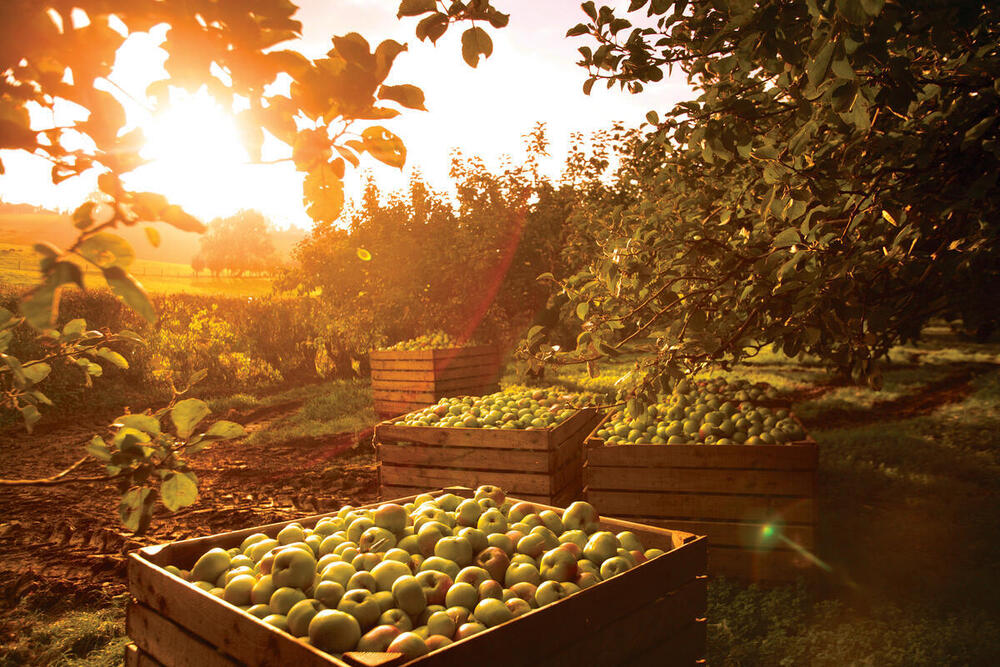
🐑 About 8 million sheep, more than the country’s human population
Beyond the Beaten Path
- What are some lesser-known destinations or experiences that you believe deserve greater international attention?
Despite its size, the island of Ireland is packed with many hidden gems off the beaten path. We recommend exploring each of the regions of Ireland which are broken down into the Wild Atlantic Way, Ireland’s Ancient East, Ireland’s Hidden Heartlands, Dublin, Belfast and Northern Ireland.
Ireland’s Ancient East is a unique tourism region taking in an amazing 5,000 years of history. From passage tombs like Newgrange (which is older than the Egyptian pyramids) to Palladian mansions like Powerscourt and Castletown; from monastic sites to medieval castles and high crosses harking back to Early Christian Ireland, nowhere in Europe offers such a wealth of heritage in such an intimate geographical space.
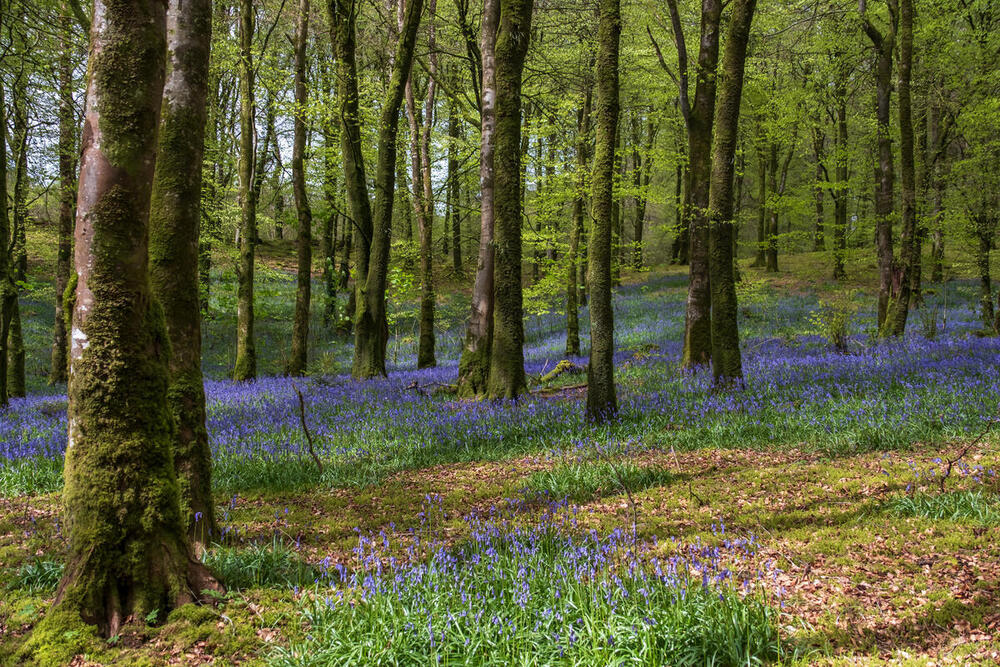
Ireland’s Hidden Heartlands encompasses nine counties that hug the majestic River Shannon and the Beara Breifne Way, stretching from Leitrim to Lough Derg. As a destination, the Heartlands have long been a much-loved secret among many local Irish people, who enjoy the natural beauty and expansive panoramic views of the calm lake waters, inland waterways, rolling hills, vibrant green pastures and vast woodlands.
Dublin, Ireland’s capital, is a city that truly captures your imagination. Cobbled alleys, Viking remains, Georgian squares. Dublin’s history goes back over a thousand years. Step back in this city full of literacy landmarks from the James Joyce Centre to Trinity College, alma mater of many of Ireland’s greatest writers.
Northern Ireland surprises people. It changes them. We’d say that it’s the giant spirit that brings them to life. It awakens their senses, fires their imaginations, stretches their muscles and maybe touches their soul. It’s not just what you do in Northern Ireland, it’s the people you meet and the way in which they make you feel. Its stunning scenery is dotted with stately homes and castles, with waterways and landscapes providing a stunning backdrop for diverse experiences and historical landmarks.
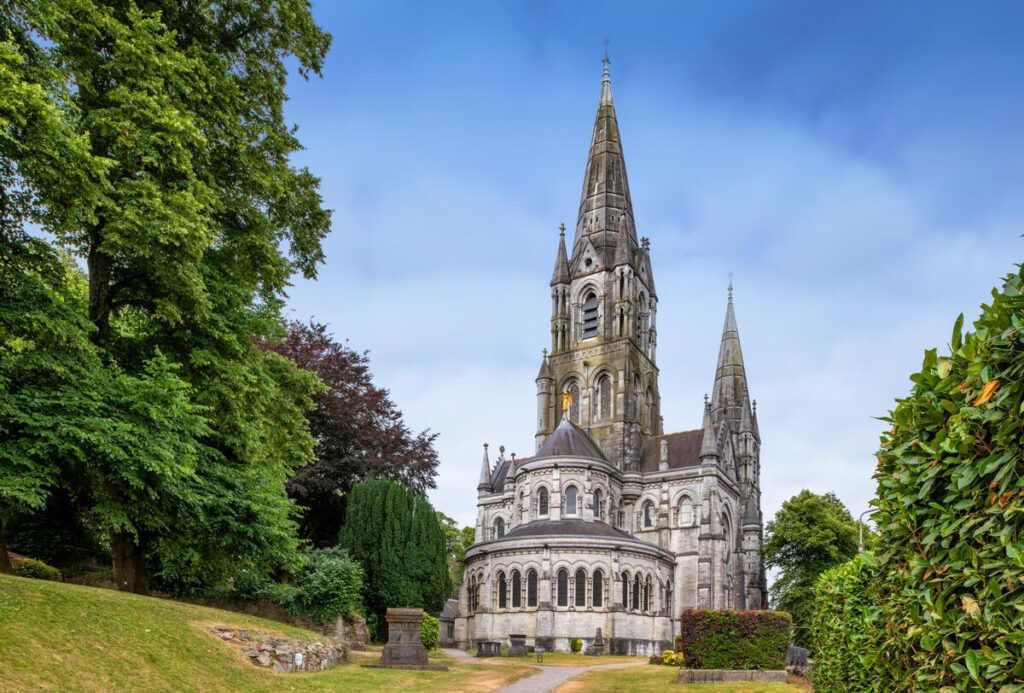
St. Fin Barre’s Cathedral
Located in the heart of Cork City, St. Fin Barre’s Cathedral is a masterpiece of French Gothic architecture. Known for its intricate stone carvings, stunning stained glass windows, and three soaring spires, the cathedral is dedicated to the city’s patron saint, St. Fin Barre. Surrounded by peaceful gardens, it offers a serene escape and a glimpse into Ireland’s deep spiritual and architectural heritage.
The Future of Irish Tourism
- How has Ireland’s tourism offering evolved over the last decade, and what trends do you expect to shape its future?
Ireland’s tourism product has consistently evolved over time and our partners, Failte Ireland and Tourism Northern Ireland, have invested significantly in developing authentic and unique experiences within each of our experience brand regions. With increased focus on food and drink at government level, culinary tourism continues to grow across the island. Ireland is home to great quality produce (our green fields help with that!) and seafood which gives it unique and authentic flavour– something we want to let the world know about.
The island of Ireland is best known for being inviting, unpretentious, and breathtakingly diverse, from ancient ruins to vibrant cities, wild coasts to rolling green hills – Ireland’s stunning landscapes invite discovery and a deep connection to nature and history. Proud, rich, and vibrantly alive, Irish culture is not just observed but experienced. It’s shared through music, storytelling, dance, and a deep sense of community, inviting active participation and leaving a mark. Welcoming, generous, and genuinely open, Irish people invite visitors into their stories, their homes, and their craic, creating a sense of belonging and humanity. These authentic reasons to visit the island of Ireland will continue to underpin our marketing activity and shape the island’s tourism future.
Did You Know?
The Wild Atlantic Way stretches for more than 2,500 kilometers;
This is one of the longest and most impressive coastal tourist routes in the world, crossing the entire west coast of Ireland.
In Ireland There are…
🌿 11 National Parks and Protected Areas
Your First Journey Through Ireland
- For visitors interested in history, culture, and authentic local experiences, what would be your ideal introduction to Ireland?
We have lots of themed trip ideas for those planning their first visit to Ireland on our website – Ireland.com.
Many first-time visitors choose to start in Dublin and explore the city’s rich history by taking a walking tour with a local and exploring its iconic historic sites. Dublin can also act as a base for exploration in Ireland’s Ancient East where visitors can easily visit Newgrange and Glendalough, a monastic tower, or take the train to Howth to take in a local cookery class in Howth Castle. Visiting the Wild Atlantic Way is a must, and many visitors choose to visit Galway for its vibrant music scene. Travelling north to Belfast and the Causeway Coast, first time visitors should experience Titanic Belfast – expect gantry rides, an underwater cinema show, and cabin recreations of the ship of dreams. However, this is just a flavour of the island of Ireland and we encourage visitors to visit ‘Ireland Unrushed’ to really get a sense of the place and go deeper.
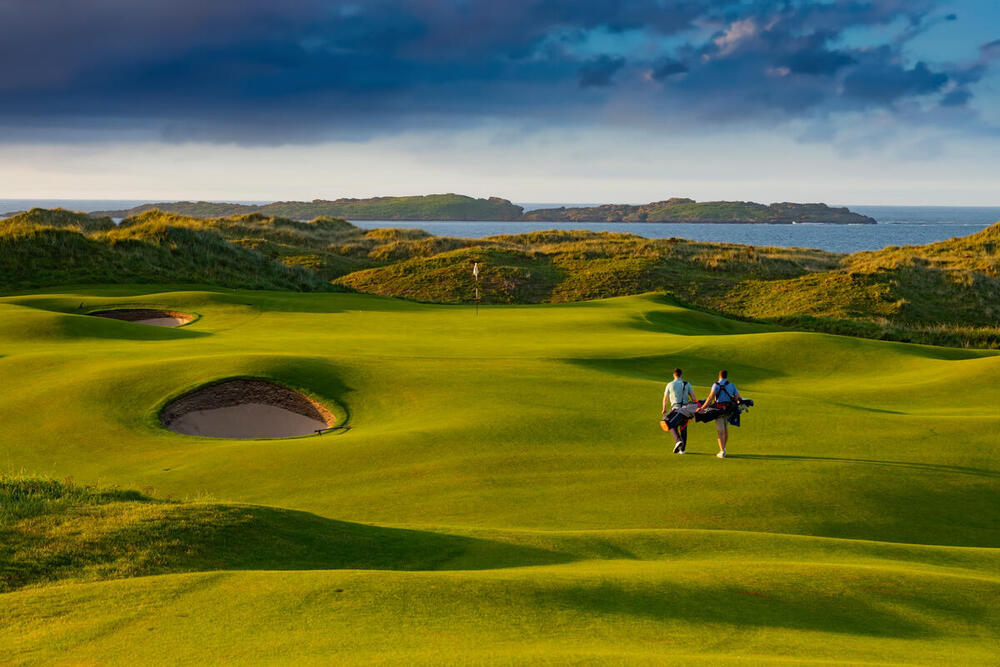
A Vision for Ireland’s Future
- Looking ahead, what is your vision for Ireland’s position as a cultural and experiential destination in the international tourism market?
Tourism Ireland are responsible for the marketing of the island of Ireland overseas as a leading holiday destination and to support Northern Ireland to realise its tourism potential. Our goal is to increase awareness of the island of Ireland internationally and inspire both first time visitors and repeat visitors to return. We will continue to target our enrichment explorer audience in international markets through digital and social channels, publicity and in-market events through the promotion of our authentic experiences and cultural immersion opportunities that visitors can have on the island.
Ireland’s greatest strength lies not only in its spectacular scenery, but in its ability to connect visitors with its people, traditions, and stories. By embracing authenticity, sustainability, and meaningful cultural experiences, Tourism Ireland continues to position the island as one of the world’s leading destinations for experiential travel. Whether discovering ancient monuments, following literary footsteps, or exploring dramatic coastlines, every journey through Ireland becomes a story worth telling—one that invites travelers to return again and again.